Exploding Topics
Remineralizing Gum search volume grew from under 100 to 27,100 monthly searches between February 2024 and January 2026.
Remineralizing gum
+5100%
GLP 1 Supplement search volume grew from 5,920 to 74,000 monthly searches between February 2024 and January 2026.
GLP 1 supplement
+1150%
Soursop Bitters search volume grew from 9,900 to 110,000 monthly searches between March 2024 and February 2026.
Soursop bitters
+1011%



Get Advanced Insights on Any Topic
Discover Trends 12+ Months Before Everyone Else
How We Find Trends Before They Take Off
Exploding Topics’ advanced algorithm monitors millions of unstructured data points to spot trends early on.
Keyword Research
Performance Tracking
Competitor Intelligence
Fix Your Site’s SEO Issues in 30 Seconds
Find technical issues blocking search visibility. Get prioritized, actionable fixes in seconds.
Powered by data from
Latest Blog Posts
Featured Case Studies
See what's trending before everyone else
Each week, we'll send you our best Exploding Topics. Plus, expert insight and analysis.
How to Track and Improve Brand Reputation

 Add Exploding Topics on GoogleAdd Exploding Topics as your preferred source to see more of our stories on Google.
If you're not happy with how your brand appears in search results online or are experiencing dwindling sales and engagement, you might have a brand reputation problem. This guide will walk through the key basics you need to know about understanding, influencing, and tracking your brand's reputation going forward.
Get More Search Traffic
Use trending keywords to create content your audience craves.
What is Brand Reputation?
Brand reputation is a term that refers to how customers perceive your company. If you have a strong brand reputation, your target audience likely finds your company to be:
- Trustworthy
- A good value
- Reliable
- Responsible
- Supportive
But if you have a bad brand reputation, you may find that your customers consider your company to be:
- Untrustworthy
- Overpriced
- Unreliable
- Non-responsive
- Environmentally damaging
What Influences a Brand’s Reputation?
There are a variety of factors that can influence a brand’s good reputation. If your marketing messages, choice of influencer collaborations, corporate policies, and product quality don’t align with what your audience wants or expects, it can backfire.
A reputation as a good or bad employer can impact your brand reputation, too.
Your customers may express dissatisfaction with your brand on social media, in social media posts, on review sites, and even in the media. While getting some negative feedback online is normal — you can’t please everyone — be aware of the positive to negative balance. If negative reviews strt to outweigh reports of positive experiences, your brand reputation may start to slip.
The 5 C’s of Branding
Remember the five C’s of branding, as these are key elements to focus on when monitoring (and building) your brand reputation:
- Content: This includes your brand voice and how you express it through messaging, influencer collaborations, and marketing campaigns.
- Community: A brand’s community includes brand representatives, social media exchanges, and customer service support — all of which impact how customers perceive your brand’s place in their lives.
- Creativity: This refers to how well your brand stands apart from others in the market — but your branding and marketing assets need to align with what your audience expects or wants.
- Consistency: It doesn’t matter how good your brand’s messaging is now if you aren’t consistent with your words and actions. Good brand consistency helps to build trust and boost reputation over time.
- Culture: This includes your corporate social responsibility as well as the culture you create for your employees, associates, and collaborators. Understanding your cultural impact and creating a good experience are both important for a positive brand reputation.
5 Steps for Tracking Brand Reputation
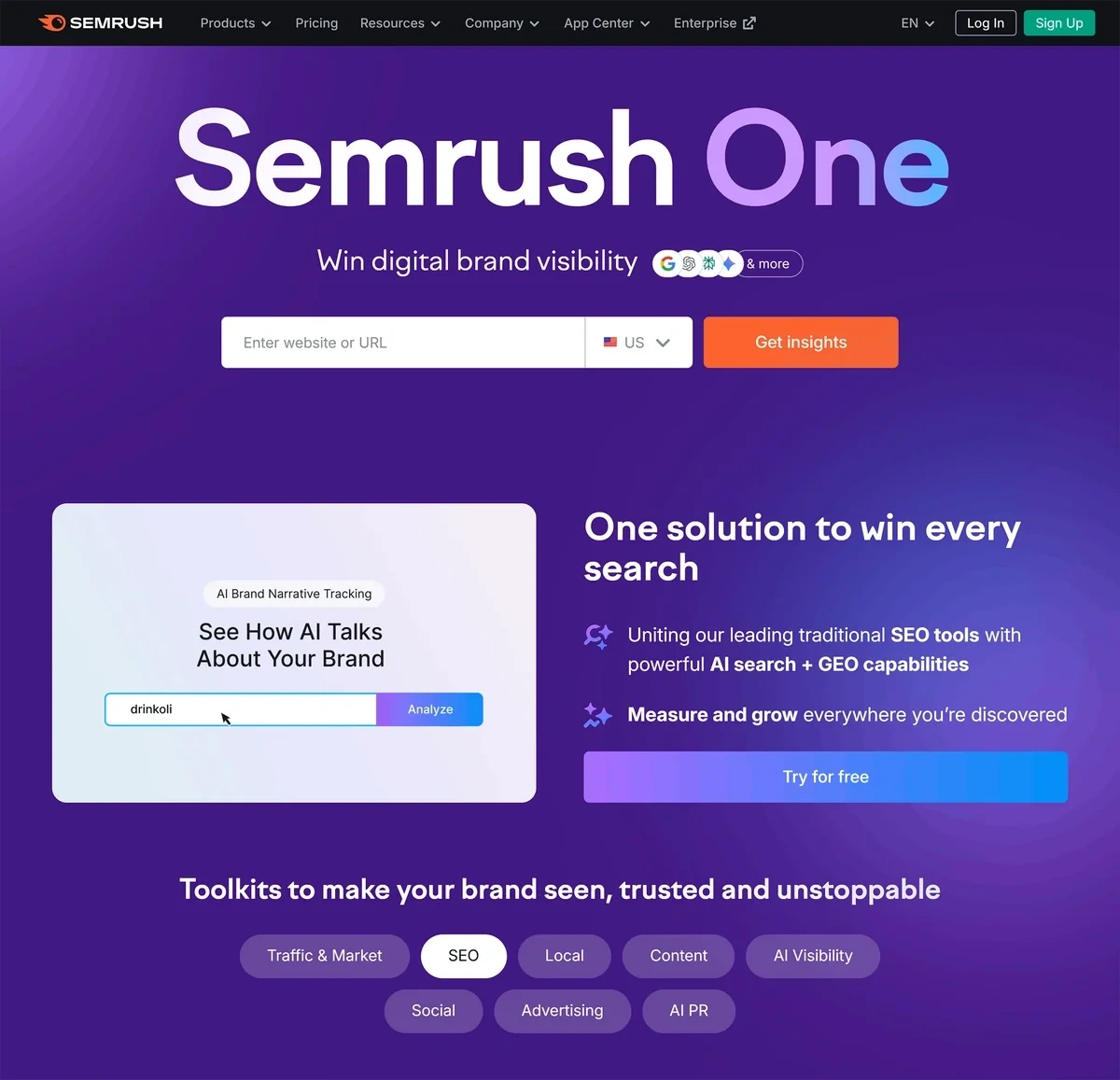
Tracking brand reputation can be relatively easy with the right tools. While there are lots of options on the market today, I like Semrush One and will be using it as my primary example in this guide. I find Semrush to be a good choice as it contains multiple tools that I can use to analyze reputation — I don’t have to switch between (and pay for) an entire stack of different tools.
1. Identify a Target Audience
The first step in tracking your brand reputation is to establish who you want to perceive your brand in a positive light. The Semrush Traffic & Market Toolkit is helpful here, as it allows you to:
- See what demographic and socioeconomic factors apply to your current audience
- Analyze typical audience behavior
- Research your market to better understand what specific audiences want
- Research audience preferences and trends by geographic area
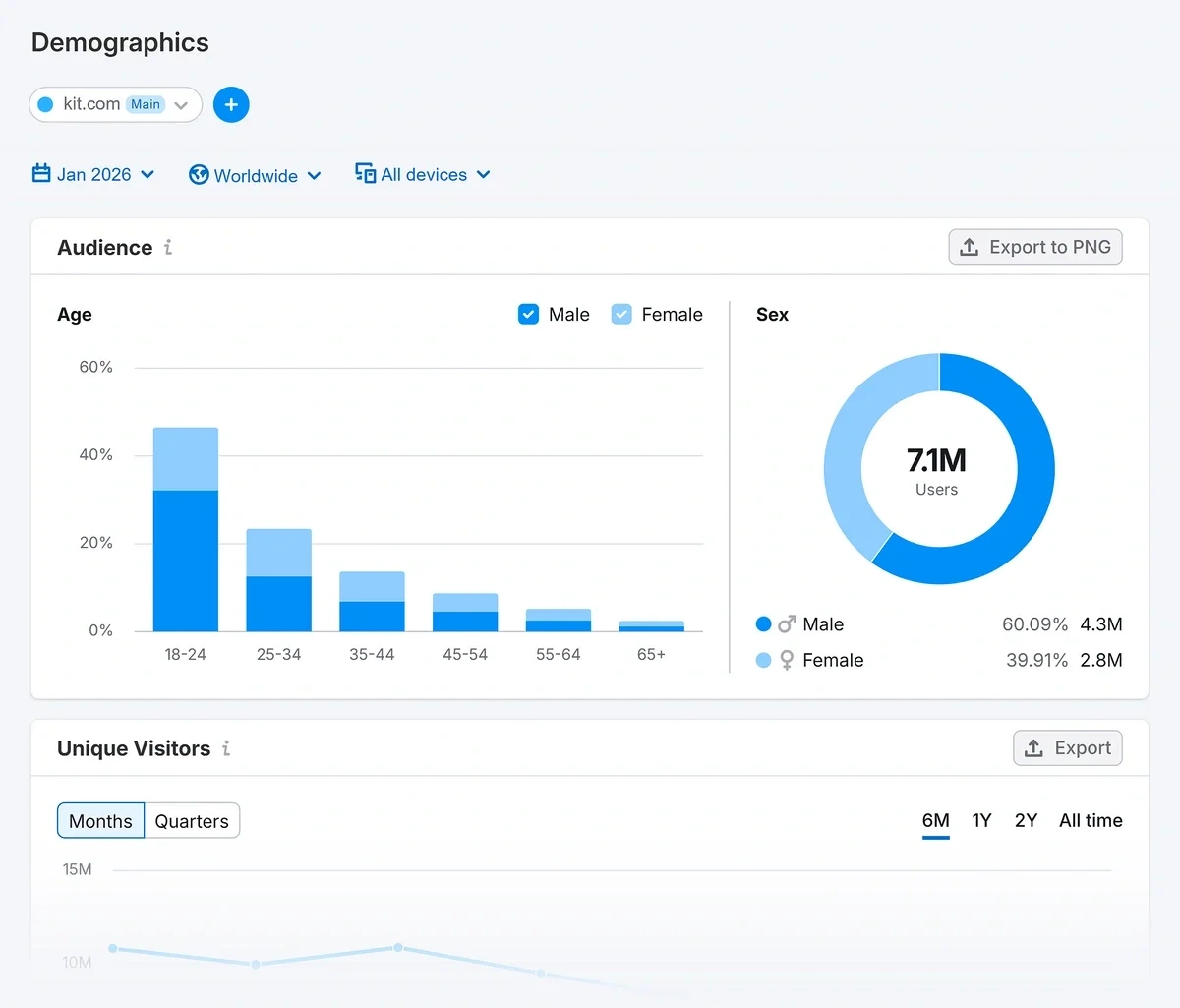
I recommend starting by evaluating your current audience online, then considering how well this data aligns with the groups you want to be your target audience. If what you’re seeing in Semrush matches your goals or expectations, great!
If you’re seeing that a different audience than expected is attracted to your brand online, you may need to back up and re-evaluate your marketing and search engine optimization (SEO) tactics.
2. Create Competitor Benchmarks
Analyze your competitors as you gather data on your audience and market. You need to evaluate both competitors across your whole market as well as through specific channels, too. In my role as an SEO consultant, I often encounter scenarios where a company’s market competitors aren’t the same as their search competitors.
Want to Spy on Your Competition?
Explore competitors’ website traffic stats, discover growth points, and expand your market share.
It’s entirely possible that you’ll have a different top competitor on TikTok, in organic search, through ads, and via word of mouth. Knowing which competitors are succeeding at certain types of marketing is going to be very helpful.
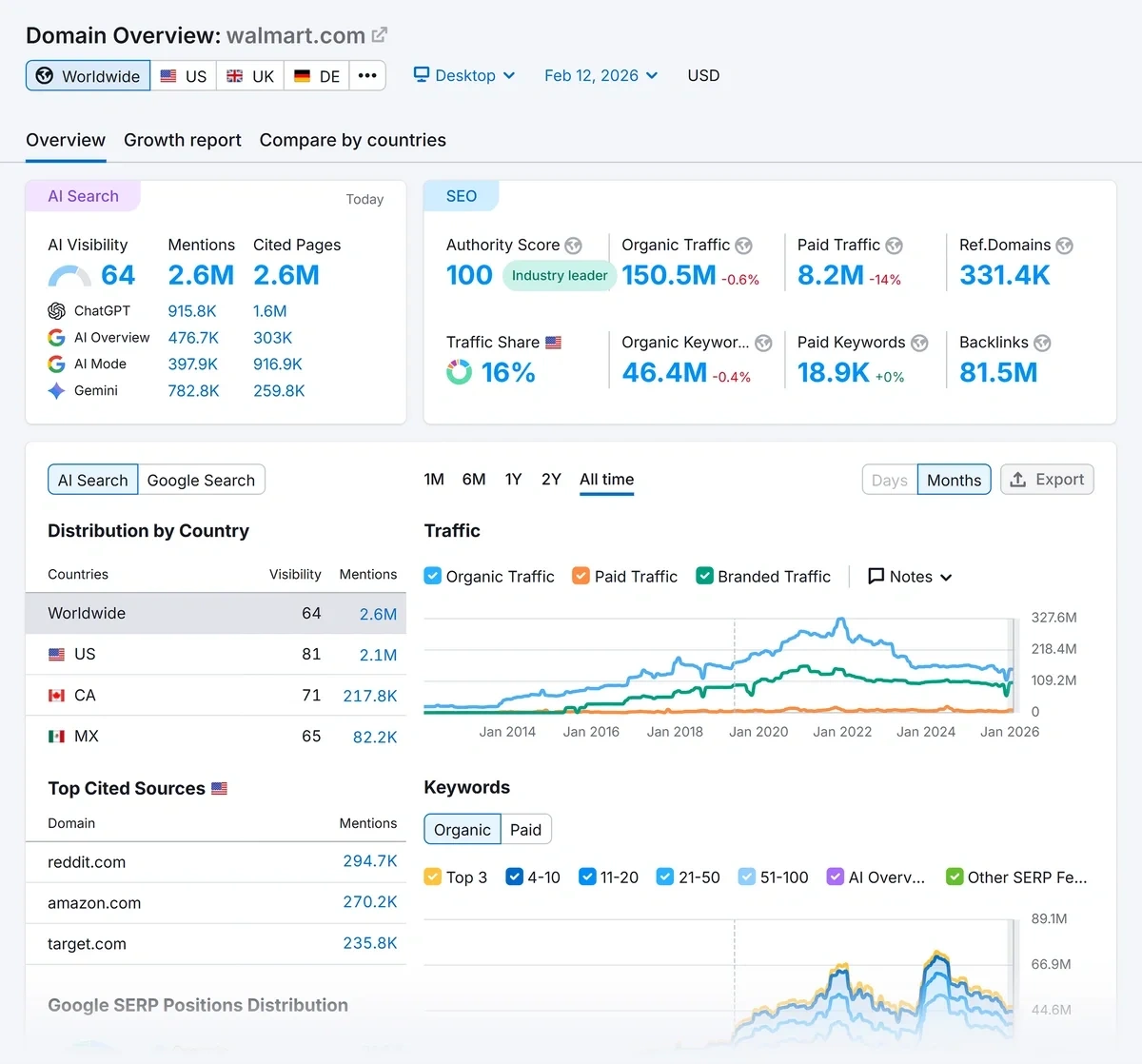
You can find all of this information out by using Semrush, too. The Traffic & Market Toolkit lets you see what competitors you share an audience with. You can then dig deeper into each of these competitors — and learn which groups and channels they’re winning — by using the Domain Overview tool. Every Domain Overview report shows you essential information about a site’s audience, traffic, topics and more.
3. Set Up Position Tracking
The next step is to set up specific terms you want to gain traction for online. These could be:
- Variations on your brand name
- Specific questions people search for about your brand
- “Alternative to (competitor)” keywords
The Semrush Domain Overview and Site Audit tools will show you what keywords you’re currently associated with; you can track these or any others using the Position Tracking tool.
4. Monitor Brand Mentions
Tracking keywords is useful for understanding what people are searching about your brand (and checking to see if specific marketing efforts are working). But you’ll also want to monitor for mentions of your brand name.
Brand monitoring typically extends beyond search engines and can include finding mentions of your brand in:
- Social media posts
- Subreddits
- Media stories
- Product reviews
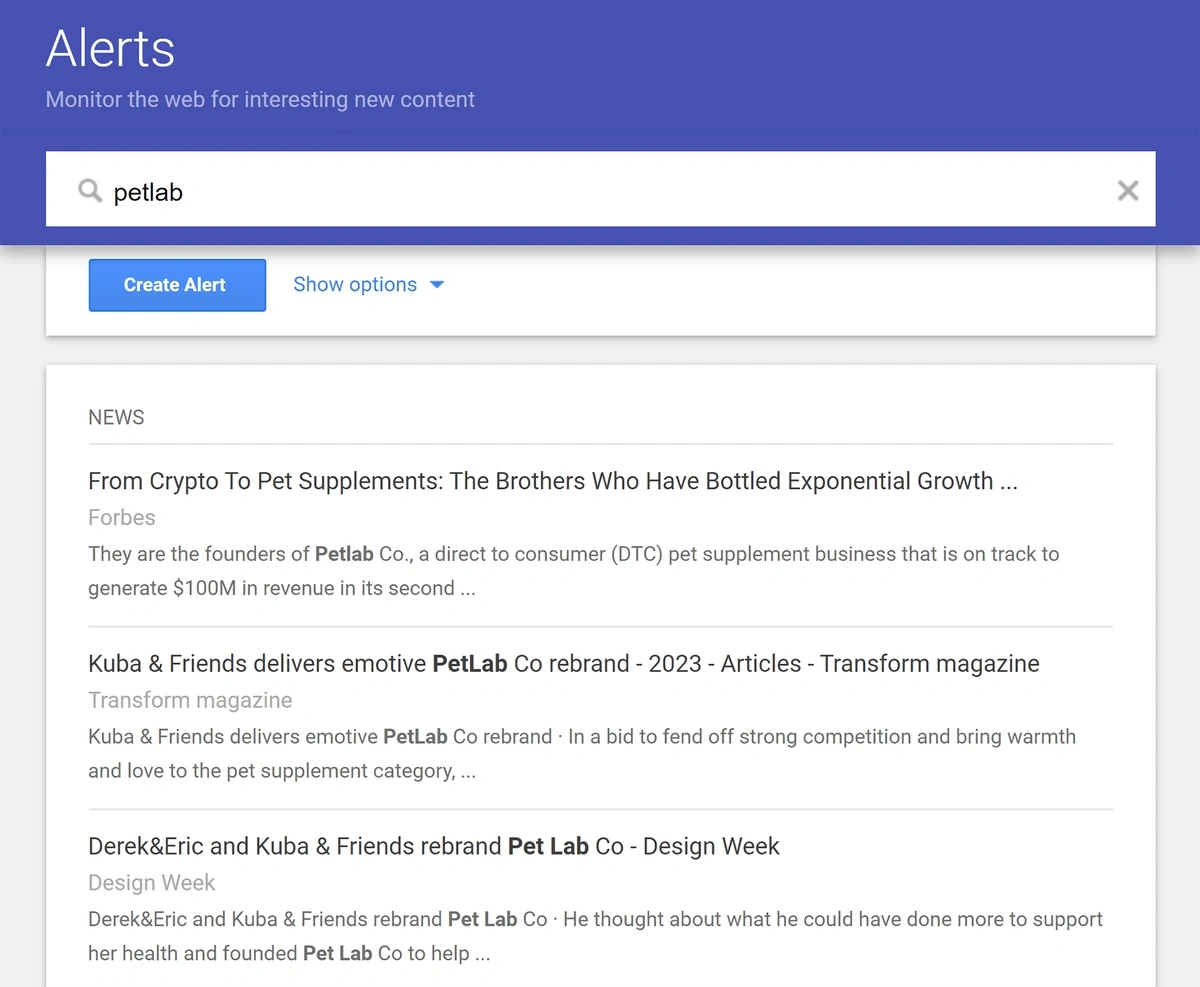
Google Alerts are a simple and free way to get notifications every time someone publishes a webpage or news story about your brand. These alerts will come directly into your email inbox, you don’t need to remember to check anything.
The Semrush Position Tracking tool is useful for getting a sense of how you’re mentioned by AI tools — so if you’re interested in learning how often AI chats mention your brand, be sure to set that up, too.
5. Conduct Sentiment Analysis
I also recommend setting up a sentiment analysis tool. This is different from tracking brand mentions in Google Alerts. When you analyze brand sentiment, you’re getting a closer look at how people actually feel about your company and products.
Analysis is typically scored on a three point scale:
- Positive feedback
- Neutral feedback
- Negative feedback
Depending on the sentiment analysis tool you use, you may choose to analyze the sentiment of:
- Customer reviews on third-party platforms like G2 and Yelp
- Social media posts
- Reviews on your company website
- Customer service chats and phone calls
- Customer emails
Some companies even conduct customer interviews or run market research studies to develop a net promoter score (NPS). A NPS survey evaluates how likely a customer is to recommend your brand and why — the results of which can give you some great sentiment insights.
Sentiment Analysis vs. Brand Mentions
| Sentiment Analysis | Brand Mentions |
| Qualitative; measures how people perceive your brand, is focused on real people and user-generated content (UGC) | Quantitative; tracks how frequently your brand appears in content; can track mentions by real people or AI tools, does not consider sentiment of the mention |
Tip: If you’re a Semrush user, you can carry out key media monitoring activities with the Social Media Toolkit. But if a paid tool or a curated survey isn’t in your budget, that’s okay. Simply taking some time to read what people are saying about your brand online can give you an idea of which way overall sentiment is trending. Try this:copy a selection of customer reviews from different sources into a spreadsheet and use an AI tool like Claude to analyze the overall sentiment. You can also ask the AI tool to pick out the most common words, product mentions, and other data.
Tips for Building and Maintaining Good Brand Reputation
Let’s say you’ve started tracking your brand reputation and you aren’t pleased with what you’re seeing. This is disappointing, but it’s not the end of the world! You can take specific steps to improve your brand reputation — just make sure to keep up with brand reputation tracking so you can see how sentiment changes over time.
Claim Your Google Business Profile
This is most relevant for local businesses with a brick-and-mortar location, but any company can benefit from claiming their Google Business Profile. These free profiles allow you to share information directly with customers, make sure that your hours of operation and contact details are accurately displayed in Google search, respond to reviews, and more.
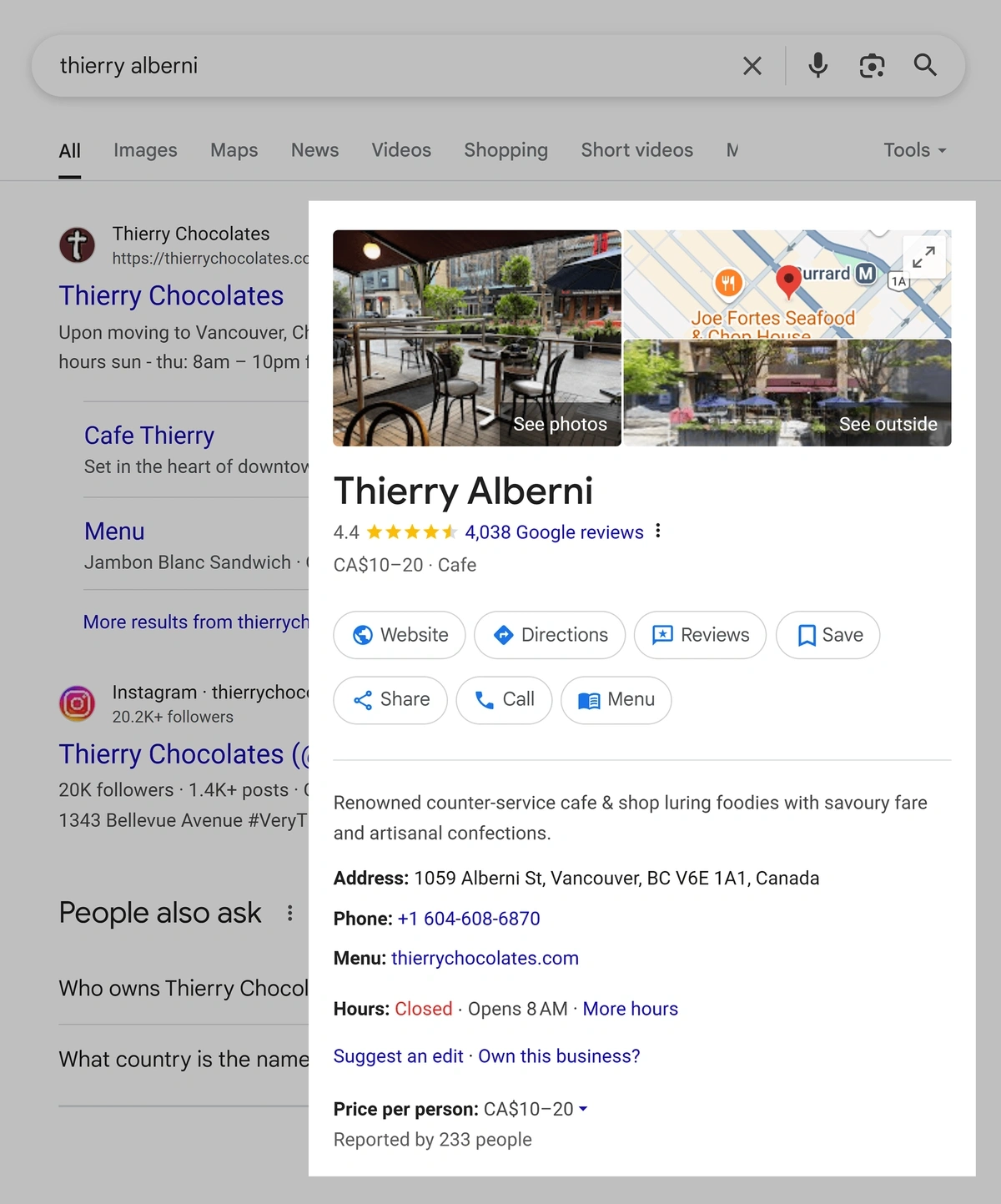
The Semrush Local Toolkit can serve as your one-stop-shop to keep your business profile up to date, check how you appear in local search results, and improve the way AI search tools reference your company.
Be Active on Social Media Platforms
You don’t need to be on every social media platform, but pick one or two that:
- Your customers like to use
- You’re comfortable creating content for
You can certainly join and create company-branded content to promote your brand. But simply posting a bunch of company videos on TikTok is unlikely to shift the brand sentiment needle very far. Instead, you’ll want to:
- Work with influencers and real customers to create UGC
- Engage with customers expressing positive or negative experiences and show that your brand is ready to help
- Leverage popular trends and social moments to become part of a broader conversation
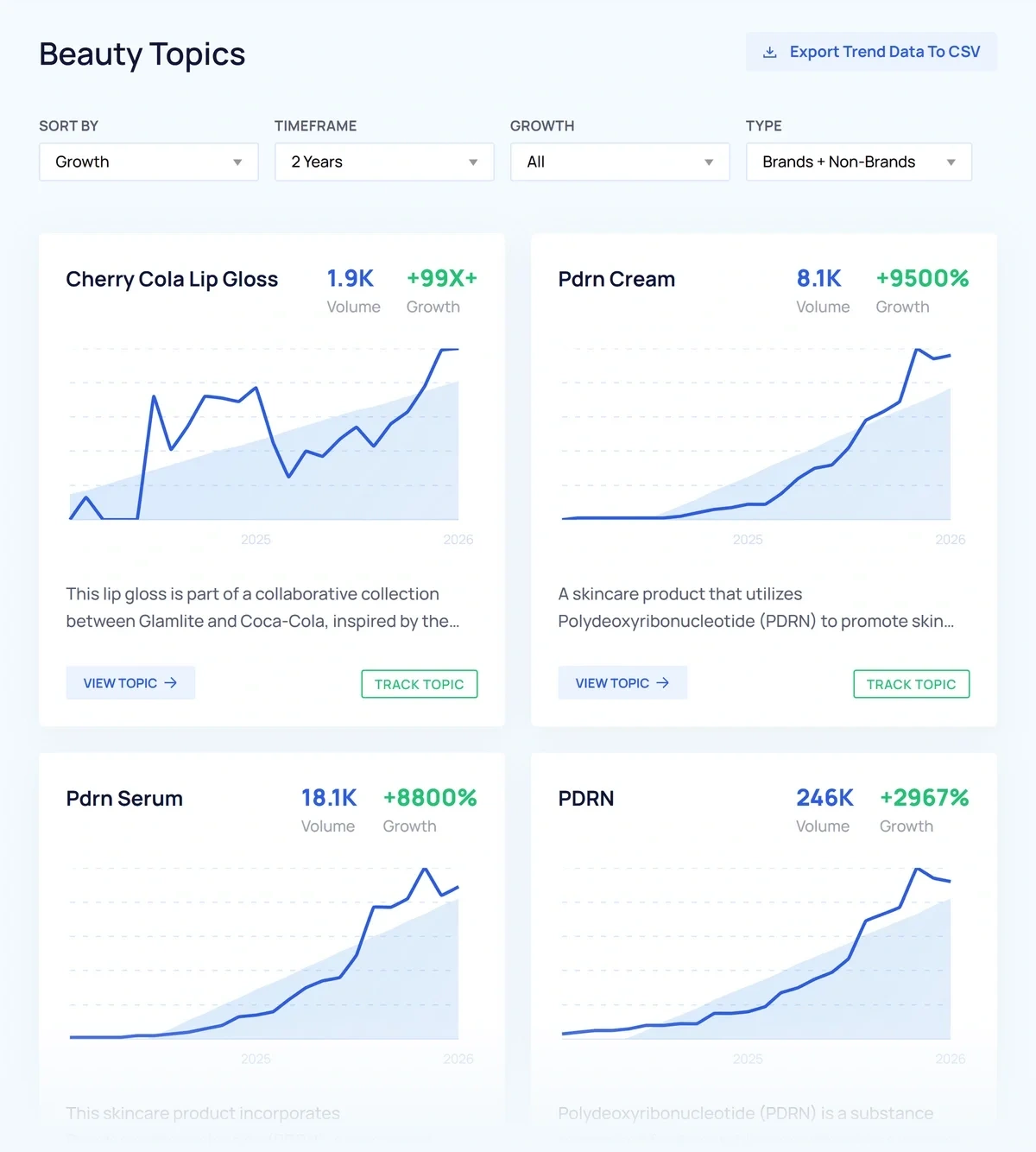
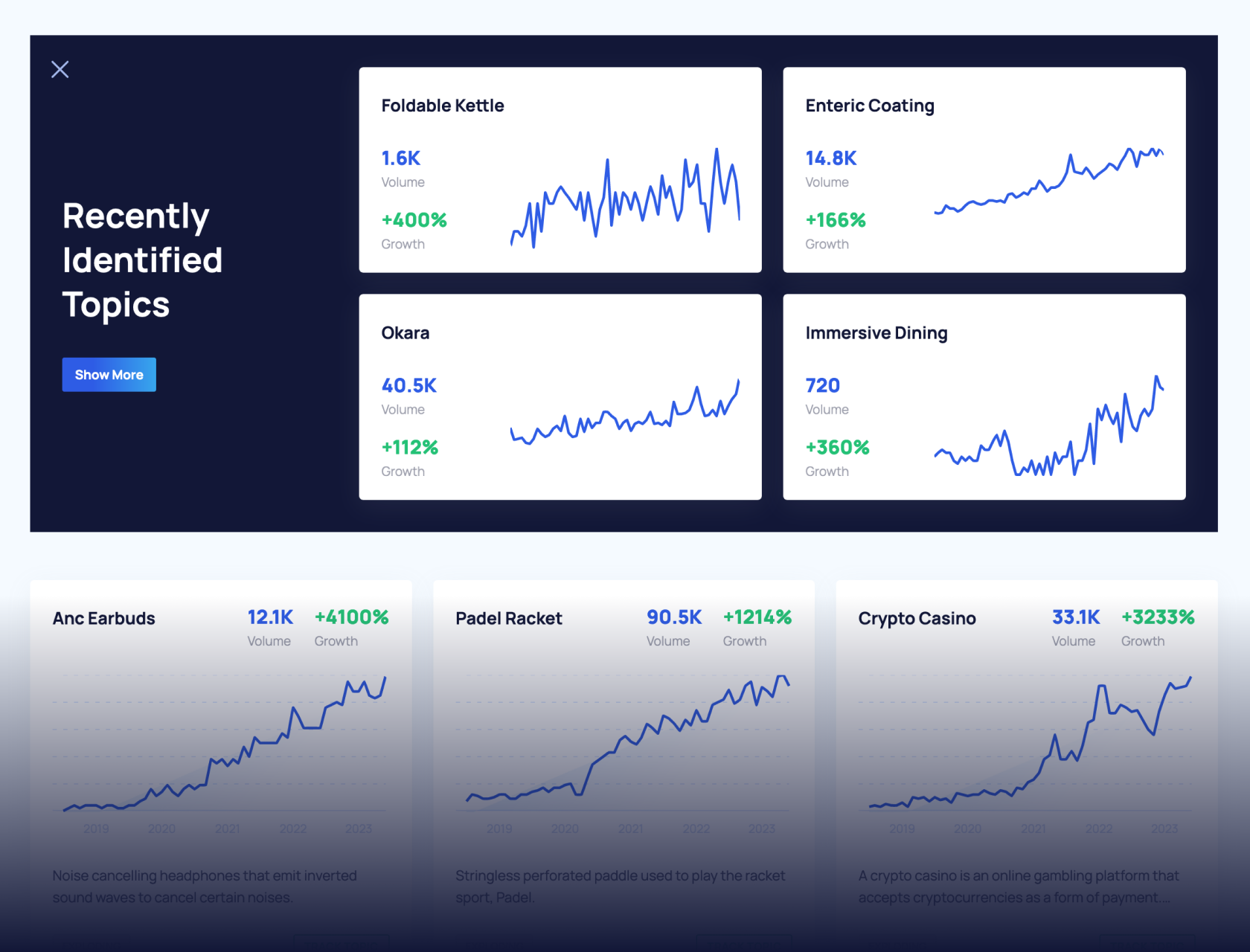
Exploding Topics Pro is my tool of choice here, as it allows me to see:
- What topics are trending in my industry
- Which brands are trending
- The specific social media platforms that are best for amplifying specific trends
- How likely it is that a trend’s popularity will increase in the next year
Tip: If you have a Semrush account, you don’t need a separate social media management platform. Just use the Social Media Toolkit to schedule content, analyze engagement, track your work with influencers, and leverage AI to improve your social presence.
Directly Address and Implement Customer Feedback
If you get negative feedback from customers via social media (or other channels), it’s also essential to take that feedback into real consideration and make changes. You can even make changes — such as launching new products — based on positive feedback. Paying attention to feedback:
- Builds trust, as customers feel heard and seen
- Can make it easier to develop new products and service ideas
- Gives you valuable sentiment insight
Develop a GEO Strategy
As more people turn to AI tools for search answers and support, generative engine optimization (GEO) is becoming increasingly important for brands. It’s no longer enough to consider what people are saying about your brand; you now need to consider how AI tools reference your company as well. The Semrush AI Visibility Toolkit is a fantastic resource for this. By combining the AI toolkit with Domain Overview and Position Tracking reports, you can see:
- The number of keywords where you appear in AI Overviews
- How often AI chat tools cite your brand
- The prompts for which you are cited as an answer (and in what order compared to competitors)
- How AI tools position your brand — and what narrative they’re creating
Once you have a clear idea of where you currently stand in the GEO landscape, you can:
- Target specific keywords and prompts through curated content creation
- Create social media posts directly answering questions commonly asked to AI tools
- Make sure that AI crawlers can access and understand your site
You can’t fully train or shift an AI tool’s data overnight. But you can put in effort to shift the way it talks about your brand over time by changing what information is available about your company online. Ultimately, you want AI tools to be citing your brand — and positively — in as many relevant chats and search results as possible
Implement Crisis Management and PR Strategies
Finally, know that if your brand gets a windfall of negative press or comments online, you may have to take targeted action. Waiting for the issue to blow over doesn't always work — sometimes, negative feedback goes viral and grows into a larger issue.
Google Alerts, social media listening, and the AI Visibility Toolkit will all be helpful here as you work to get a clear picture of the positive or negative sentiment around your brand at any time. If you decide you need to do a public relations push to change media narratives, take a look at the Semrush PR Toolkit. The reports and features in this toolkit will help you find media contacts and create a plan that leverages both traditional reporting and AI summaries to improve your brand's reputation.
Track Your Brand Reputation with Semrush One
Nearly every tool you need to track and understand your brand reputation can be found inside of Semrush One. You can customize your Semrush experience, too, through the App Center — which is where you'll find Exploding Topics and other tools for social media, data analysis, and more.
Give multiple toolkits a try with our exclusive Semrush promo code for a 14-day free trial, then add on a free trial of Exploding Topics Pro so you can see how these two powerful tools can give you new insights about your brand and its reputation.
Stop Guessing, Start Growing 🚀
Use real-time topic data to create content that resonates and brings results.
Exploding Topics is owned by Semrush. Our mission is to provide accurate data and expert insights on emerging trends. Unless otherwise noted, this page’s content was written by either an employee or a paid contractor of Semrush Inc.
Share
Newsletter Signup
By clicking “Subscribe” you agree to Semrush Privacy Policy and consent to Semrush using your contact data for newsletter purposes
Written By


Emily is a freelance content writer at Exploding Topics. A former news correspondent, she has over 15 years' experience creati... Read more