Exploding Topics
Remineralizing Gum search volume grew from under 100 to 27,100 monthly searches between February 2024 and January 2026.
Remineralizing gum
+5100%
GLP 1 Supplement search volume grew from 5,920 to 74,000 monthly searches between February 2024 and January 2026.
GLP 1 supplement
+1150%
Soursop Bitters search volume grew from 9,900 to 110,000 monthly searches between March 2024 and February 2026.
Soursop bitters
+1011%



Get Advanced Insights on Any Topic
Discover Trends 12+ Months Before Everyone Else
How We Find Trends Before They Take Off
Exploding Topics’ advanced algorithm monitors millions of unstructured data points to spot trends early on.
Keyword Research
Performance Tracking
Competitor Intelligence
Fix Your Site’s SEO Issues in 30 Seconds
Find technical issues blocking search visibility. Get prioritized, actionable fixes in seconds.
Powered by data from
Latest Blog Posts
Featured Case Studies
See what's trending before everyone else
Each week, we'll send you our best Exploding Topics. Plus, expert insight and analysis.
Surveillance Pricing: Should We Worry About It?

 Add Exploding Topics on GoogleAdd Exploding Topics as your preferred source to see more of our stories on Google.
Surveillance pricing is a retail strategy whereby potential customers are shown hyper-personalized prices based on data the seller has gathered on them.
Also called personalized or algorithmic pricing, the technique has become particularly viable in the age of AI. More than ever, businesses have access to tools that can analyze vast amounts of data in real-time, and adjust the displayed price accordingly.
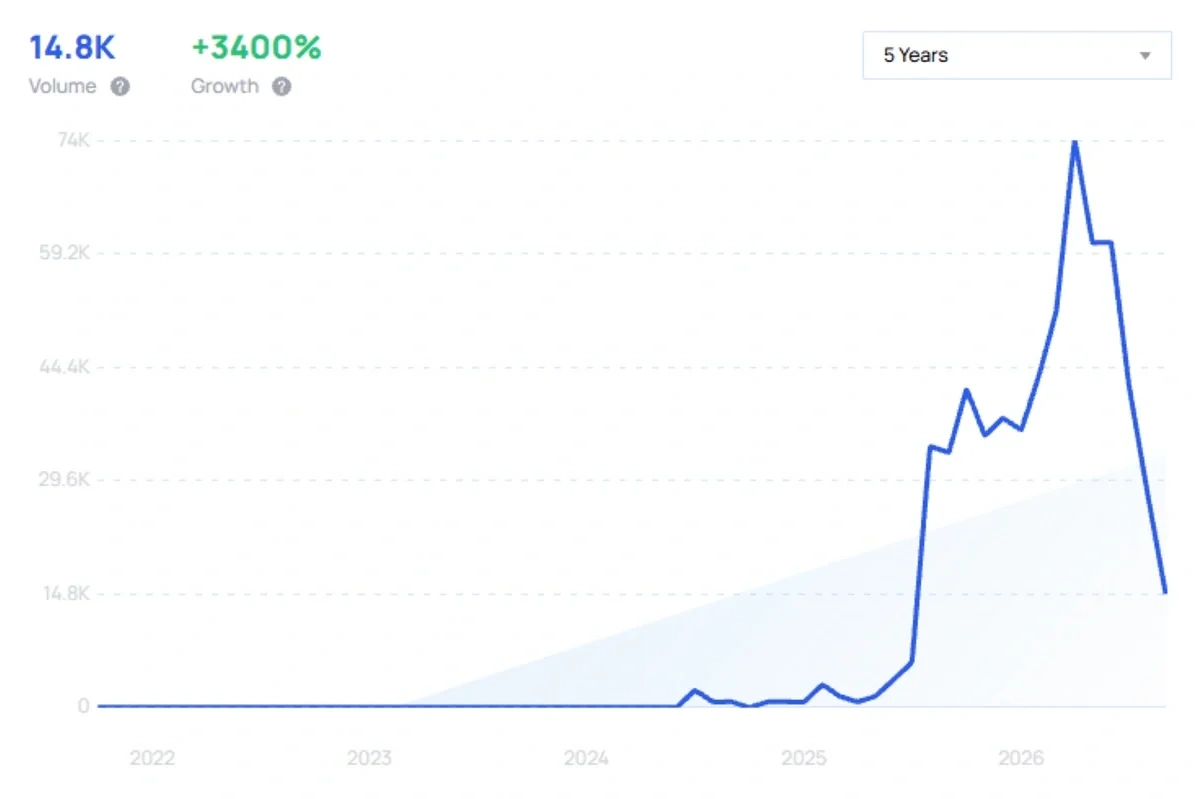
“Surveillance pricing” searches are up by 3,400% in the last 5 years.
Factors like the device you’re browsing on, your past purchases, your search behavior and your location can all contribute to the final price you see. At its most controversial, the practice may also use your real or inferred income, effectively calculating the absolute maximum you would be willing to pay.
Surveillance pricing has caused a backlash from consumers, and is coming under increasing scrutiny from US legislators as well. But how exactly does it work, and is it always a bad thing for customers? If so, is there anything individuals can do to avoid it in the absence of widespread legal protections?
As the latest flashpoint in the minefield of AI ethics and data privacy concerns, surveillance pricing merits a closer look.
What is surveillance pricing?
Surveillance pricing relies intrinsically on the concept of hyper-personalization. Consumers are shown individualized prices based directly on personal data like their browsing history and buying habits.
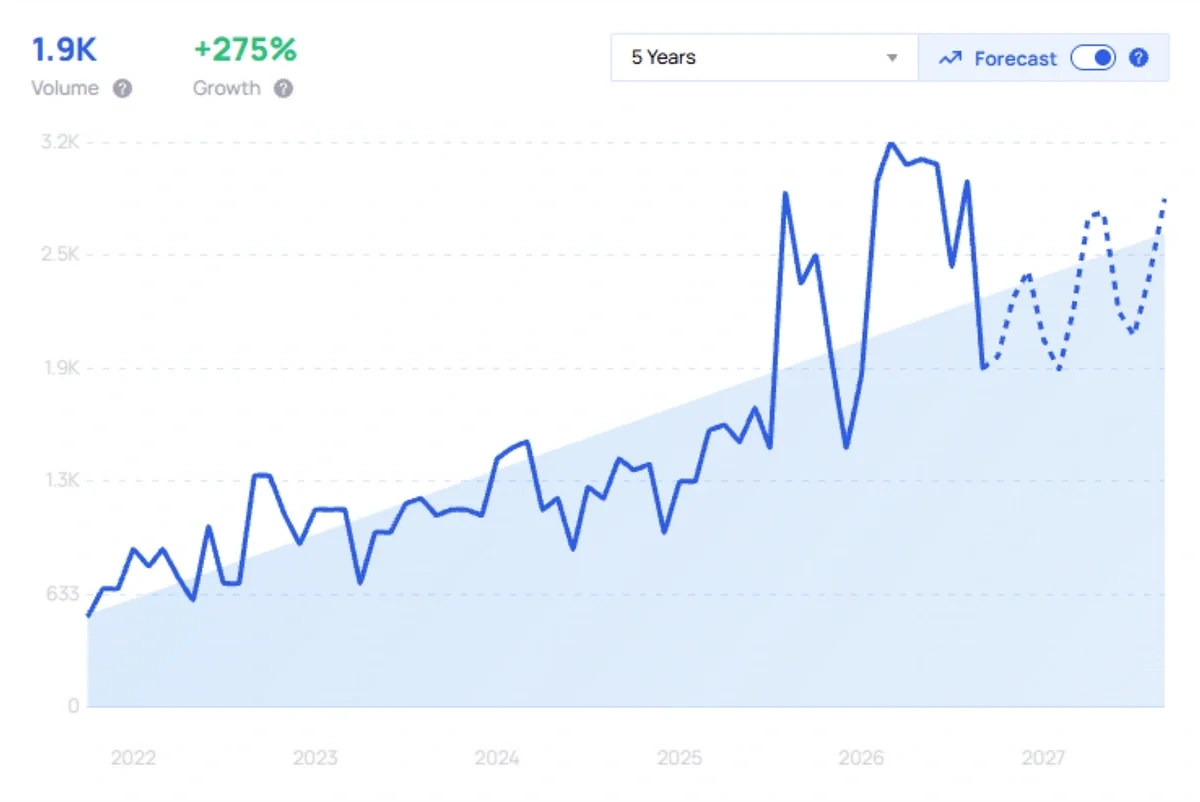
“Hyper personalization” searches have increased by 400% in the last 5 years.
Retailers have always charged different prices for the same item in different markets: it’s no mystery that a product in India will typically cost less than the same thing in the US, for instance. But surveillance pricing segments the market into much finer slices, all the way down to the individual level.
Here’s a simple hypothetical example of surveillance pricing in practice:
- A retailer knows Customer A buys the same kids’ cereal, Cereal X, every week. It also knows he has children, and that he lives in a high-income area.
- A retailer knows that Customer B buys a mix of breakfast cereals, including Cereal X. He only shops for himself, and he lives in a lower-income area.
- Customer B is shown a price of $4 for Cereal X, but Customer A is shown a price of $5.
Surveillance pricing differs from other controversial pricing practices like surge pricing and dynamic pricing, in that it isn’t only reacting to overall demand. It’s accounting for personalized ability and willingness to spend, down to the individual customer level.
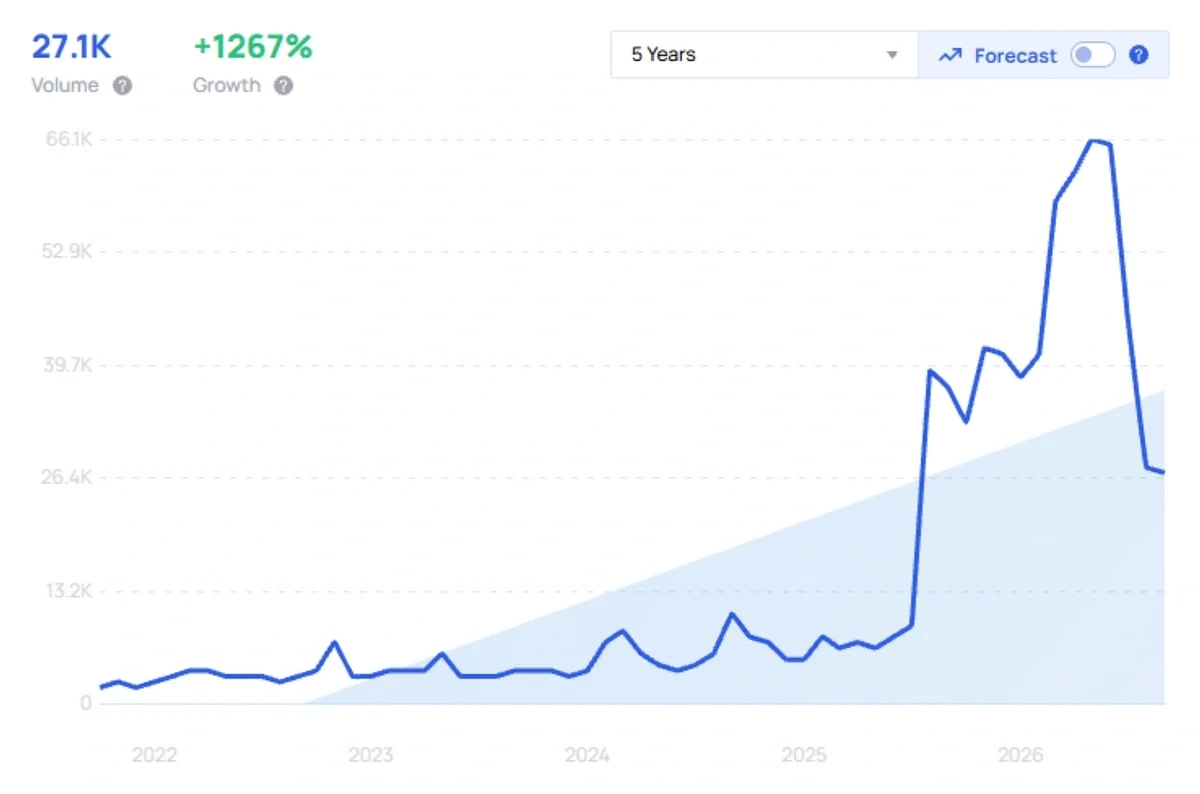
“Dynamic pricing” searches are up by 900% in the last 5 years. Surveillance pricing takes things up another level.
The definition of surveillance pricing is somewhat blurry around the edges. In particular, opt-in loyalty/membership programs that provide personalized offers are a borderline case; true surveillance pricing involves individualizing the list price rather than the discounts, but that distinction can start to bend under strain.
Is surveillance pricing legal in the US?
Historically, surveillance pricing in the US has been essentially unregulated, save for general-purpose anti-discrimination measures. But in recent months, there has been a groundswell of legislative and regulatory activity at both the state and the federal level.
In August, the Federal Trade Commission published a Proposed Enforcement Policy regarding personalized pricing. Should the policy come into effect, the FTC will require businesses using surveillance pricing to disclose it clearly:
“Congress has not given the Commission the authority to prohibit personalized pricing in all circumstances, but the Commission intends to enforce the law aggressively against any deceptive or unfair personalized pricing practices that violate Section 5 of the FTC Act or any other law enforced by the Commission,” the policy statement reads.
“Where consumers reasonably expect that prices for a product or service will not vary based on their personal data, businesses that engage in personalized pricing should clearly and conspicuously disclose not just that the price is personalized, but also the basis for that personalization and the types of data on which the personalization is based.”
At the state level, Maryland, Connecticut, and New Jersey have passed legislation clamping down on surveillance pricing to varying extents.
In force from October 1, 2026, Maryland’s Protection From Predatory Pricing Act relates specifically to the grocery industry. Food retailers and third-party delivery services will be banned from carrying out surveillance pricing, although there are some notable exceptions:
- Temporary promotional offers designed to retain existing customers
- Altering pricing where there are objectively different costs between customers, e.g. because of shipping or the location of sale
- Personalized prices offered to customers who have consented to providing data, e.g. through a loyalty program
Connecticut and New Jersey’s laws both come into effect in 2027. California passed a surveillance pricing bill in the Senate, but amendments meant it needed to go back to the Assembly for approval. This approval was not forthcoming before the end of the legislative year, so the bill has been killed for the time being.
Want to Spy on Your Competition?
Explore competitors’ website traffic stats, discover growth points, and expand your market share.
Is surveillance pricing a bad thing?
Surveillance pricing feels inherently uncomfortable for consumers. And it’s hard to dispute that it leaves certain customers worse-off overall.
In a Consumer Reports investigation, Instacart was found to be offering significantly different prices to shoppers for the same basket of items from the same retailers. Over the course of a year, the average variations could lead to a cost swing of roughly $1,200.
Instacart claimed that customers did not end up paying more on average. However, following the report, it announced an end to its price experimentation.
Nevertheless, the issue of surveillance pricing is not as cut and dried as it may seem from a consumer perspective.
For one thing, consumers who are assessed as having lower ability or inclination to pay get access to better offers. A 2021 study where researchers were allowed to implement AI-driven personalized pricing at ZipRecruiter found that 60% of consumers benefited from lower prices, even as overall profits increased for the company.
Additionally, customers who are assessed as “safe” buyers of a particular product will theoretically be assessed simultaneously by competitors as in need of incentives. Outside of a monopoly, there’s an economic case that the consumer benefits overall from price personalization.
There’s also an argument that surveillance pricing is not really anything new. In particular, loyalty programs routinely offer personalized offers and discounts based on customer purchasing history.
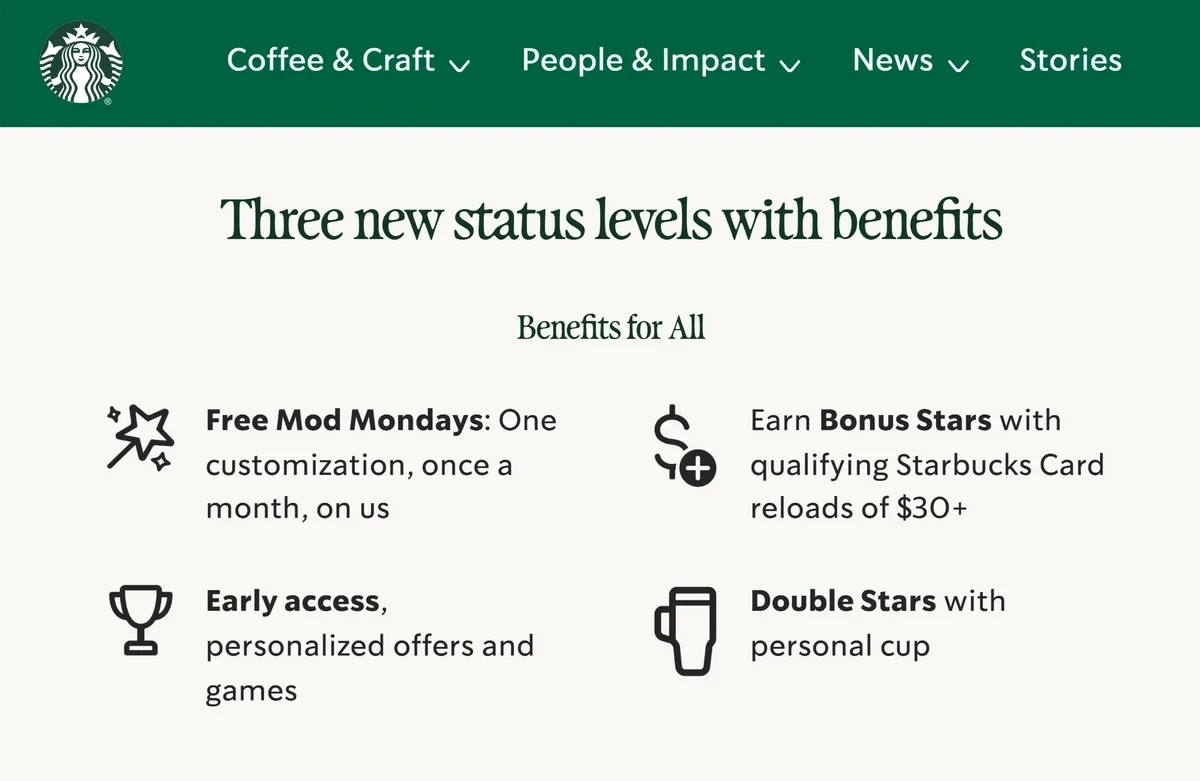
Whereas surveillance pricing sounds alarming, brands are using personalized offers as an active selling point for their membership programs. But both ultimately use customer data to impact the prices you pay.
Discounts and offers are far more acceptable at first glance because they can only lower prices, not raise them. But those without offers (or with worse offers) are in effect being made to pay higher personalized prices. A Washington Post journalist used California privacy law to get a record of the data Starbucks’ reward program had gathered on him, and found that he received fewer discounts when he bought more coffee.
Sure enough, critics of New Jersey’s legislative clampdown on surveillance pricing have argued it will prevent businesses from running long-established discount programs. And there are fears that a strict one-price-for-all model will simply lead to higher prices for everyone.
However, loyalty programs at least notionally work on an opt-in basis, even if many retailers set non-member prices so high as to effectively force the issue. That’s not the case with all surveillance pricing.
Moreover, modern surveillance pricing cannot be separated from the wider question of AI ethics.
“AI ethics” searches are up by 2,400% in the last 5 years.
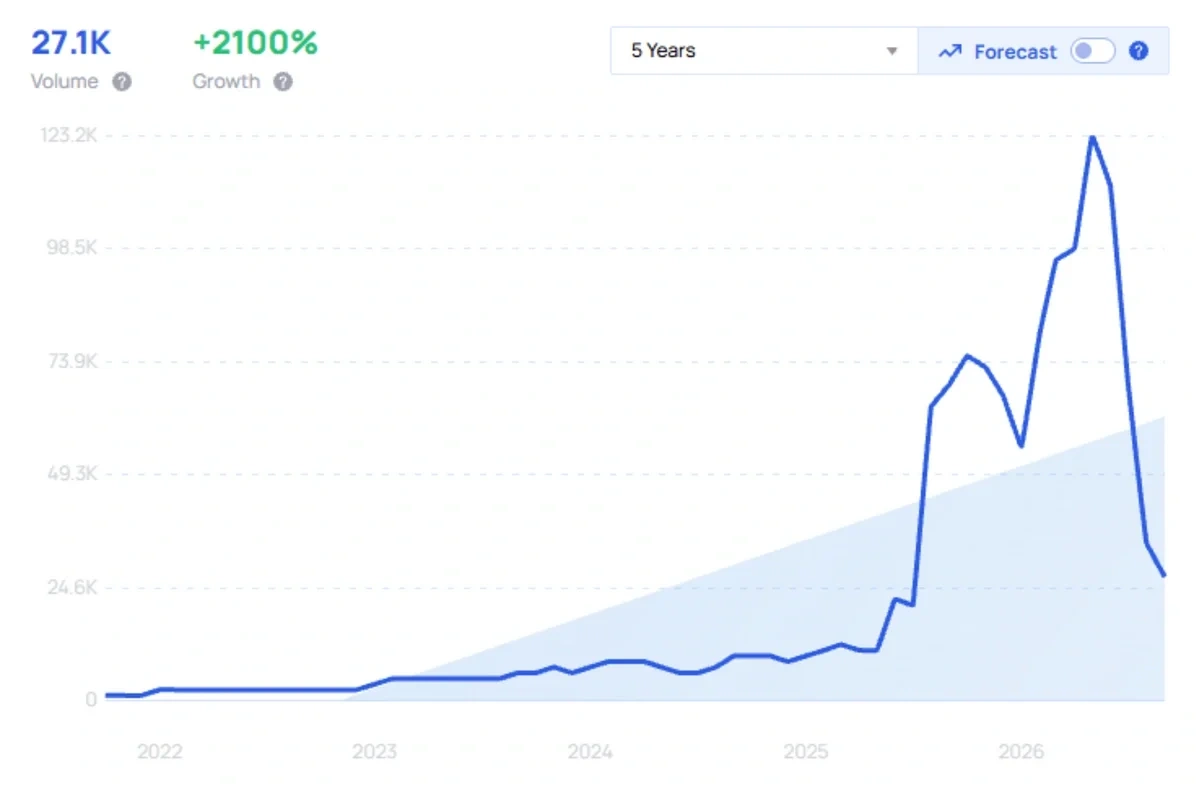
Regardless of whether consumers benefit from the final outcome of hyper-personalized price assessments, there are major potential issues with farming those assessments out to an algorithm.
Without clearly defined and auditable assessment criteria, AI systems could be deliberately or inadvertently discriminating based on protected characteristics like race and gender. And if they are, where does the accountability lie?
AI bias lawsuits have already been brought in the fields of hiring, insurance, and housing. It does not take a great stretch to imagine parallel controversies in pricing.
So while a majority of consumers may arguably stand to benefit at the point of purchase, surveillance pricing nonetheless clearly warrants close scrutiny.
How can consumers avoid surveillance pricing?
From a purely economic standpoint, the question of whether you might wish to try and avoid surveillance pricing largely comes down to your personal customer profile. If you think you’ll be assessed as a highly dependent buyer with significant resources, you’ll want to try and opt out.
Some consumers may also wish to avoid surveillance pricing as a point of principle. It’s easier said than done, but there are ways you can limit the reach of personalized pricing tactics:
VPNs
Virtual Private Networks (VPNs) are a potentially effective way of limiting surveillance pricing. They work by disguising your IP, so the websites you visit can’t tell the real location from which you are browsing.
Searches for “Proton VPN,” a popular VPN provider, are up by 988% in the last 5 years.
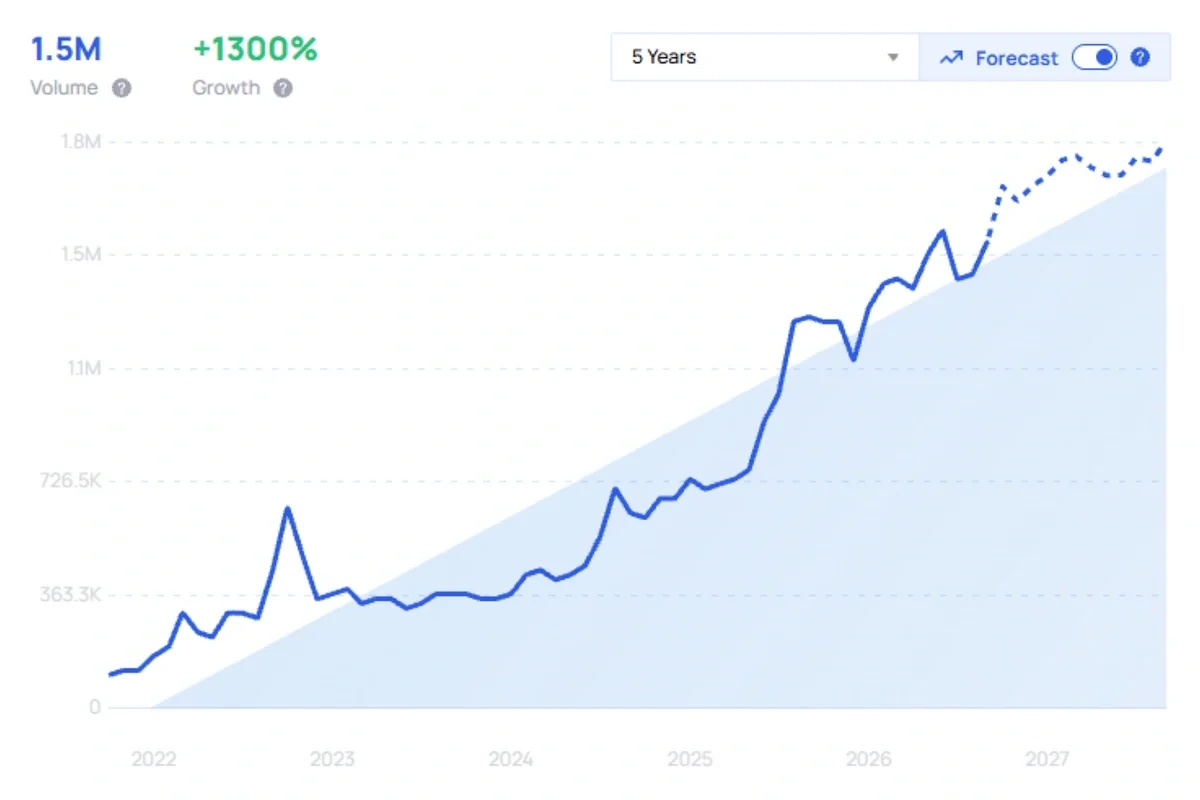
Naturally, when the time comes to put in your payment/shipping details, you ultimately have to hand over some of your data. A VPN can’t automatically stop that from being used to alter the prices you see in future.
But it’s generally accepted that hiding your IP address is better than nothing when it comes to how much companies can track your data. And at the very least, comparing prices with and without a VPN is a good way of checking if you’re being shown a personalized price.
Browser selection and settings
Your choice of browser has an effect on how much privacy you can expect online.
In particular, “anti-detect” browsers are growing in popularity. Searches are up by 2,233% in the last 5 years.
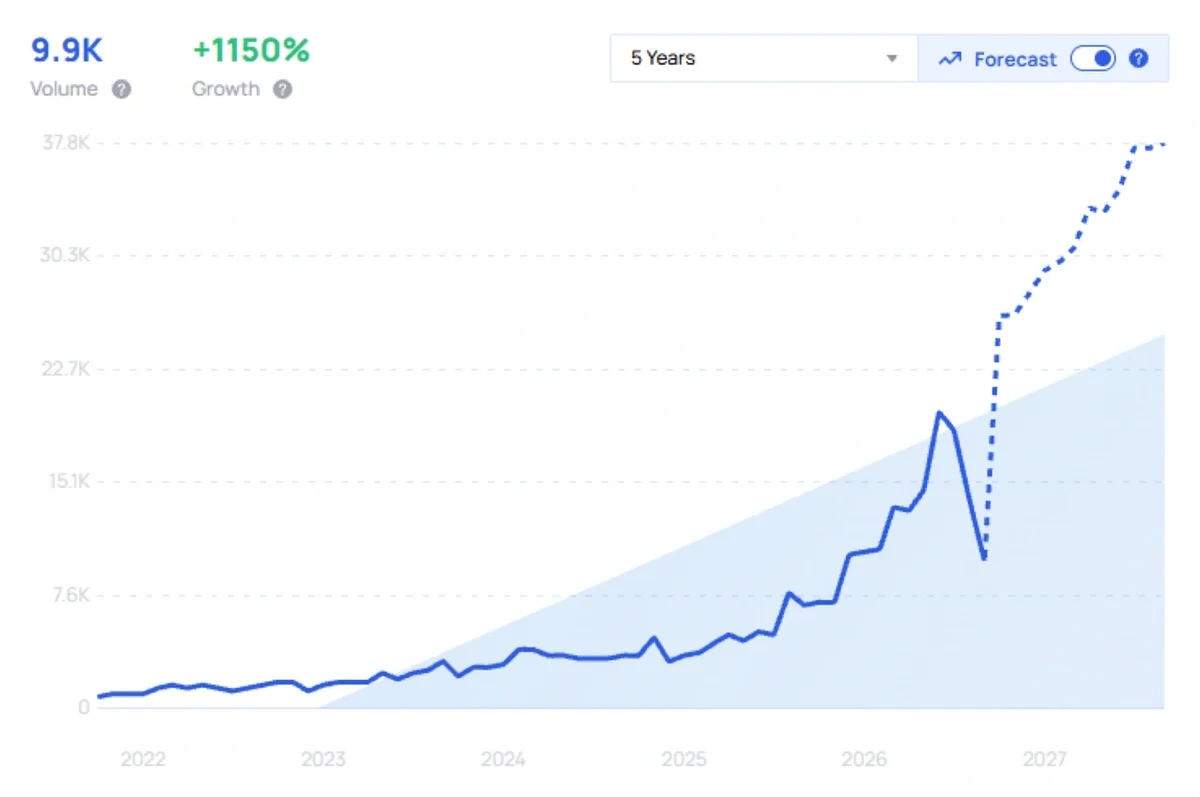
Browsers like Morelogin, Octo Browser, and Hidemyacc are designed to allow you to manage multiple browser accounts, each with a different “fingerprint.” Whereas browsing exclusively from one profile gradually builds up a cohesive consumer profile, using multiple browsers keeps your data more fragmented, and therefore less useful for targeting purposes.
This is arguably more effective than a VPN, because your browser fingerprint is made up of settings like screen resolution, fonts, and hardware information, and therefore persists across multiple IPs. Antidetect browsers disguise the fingerprint you build up at the application layer, whereas VPNs kick in at the network layer.
Imagine if you flew to a foreign country to escape detection. Authorities would be thrown off the trail because they wouldn’t expect you to be there, but your fingerprint would still ultimately give you away.
It’s worth noting that anti-detect browsers are often marketed toward users who need to run multiple accounts at once, sometimes on services whose terms of use prohibit it. But when used purely for online privacy reasons, they are less controversial.
Any kind of browser is generally better than an app, because apps collect far more data on average. You can also choose to block third-party cookies within most browsers, which limits the data companies can use to influence surveillance pricing.
Avoiding loyalty programs
Even as more surveillance pricing legislation comes into effect, loyalty programs will mostly be allowed to continue. If you’re strictly anti surveillance pricing, you’ll want to avoid these as well.
After all, membership programs are little more than the acceptable face of surveillance pricing. And that’s likely to become all the more true as a result of unintended consequences of legislation.
Personalized offers are a good thing for consumers when they represent genuine discounts. But there’s evidence that retailers respond to restrictions by simply hiking the basic list price, effectively forcing consumers to either pay over the odds or opt into membership. From that point onward, lots of the “discounts” you get will just be bringing you in line with what you would have paid before the list price went up.
This can be seen in the UK, where the Data Protection Act requires explicit consent, a right to be informed, and a right to object to collection of personal data. Consumer rights group “Which?” has previously published research that suggests Tesco and Sainsbury’s, two leading British supermarkets, increase the prices of everyday items to make membership “discounts” look bigger than they really are. The retailers denied those claims at the time.
Of course, the result is that by actively avoiding these programs, you risk paying a bigger premium than you would pay as a member. So if you’re planning on going to these lengths to avoid surveillance pricing, you’ll want to pick retailers that don’t offer any kind of loyalty program.
Consumers and brands alike must tread carefully
So is surveillance pricing just an inflammatory name for an age-old practice? Or is it a Big Brother measure further enriching corporations at the expense of the consumer? The rather undramatic answer is that “it depends.”
Advances in AI technology certainly mean that surveillance pricing needs to be carefully monitored. Practically your entire life can now be represented in data and analyzed in milliseconds, and there are multiple factors that everyone would agree have no business informing personalized pricing decisions.
To that end, greater transparency would definitely be welcome. It would be reassuring to know exactly when a price has been personalized, and on what basis the final figure has been reached.
On the other hand, when you’re given a discount for something you left in your online basket, or your supermarket loyalty program gives you an offer for a product you’ve not bought in a little while, that’s at the very least adjacent to surveillance pricing. “Using your data” can sound ominous, but when you demystify what that data actually is, it often seems much less objectionable.
Ultimately, as a consumer, the advice is the same as it always was: shop around before buying, and do your research to see if you’re really getting the best price. For businesses, the message would be to proceed with caution, or else risk undermining brand loyalty and trust.
Stop Guessing, Start Growing 🚀
Use real-time topic data to create content that resonates and brings results.
Exploding Topics is owned by Semrush. Our mission is to provide accurate data and expert insights on emerging trends. Unless otherwise noted, this page’s content was written by either an employee or a paid contractor of Semrush Inc.
Share
Newsletter Signup
By clicking “Subscribe” you agree to Semrush Privacy Policy and consent to Semrush using your contact data for newsletter purposes
Written By


James is a Journalist at Exploding Topics. After graduating from the University of Oxford with a degree in Law, he completed a... Read more