Exploding Topics
Remineralizing Gum search volume grew from under 100 to 27,100 monthly searches between February 2024 and January 2026.
Remineralizing gum
+5100%
GLP 1 Supplement search volume grew from 5,920 to 74,000 monthly searches between February 2024 and January 2026.
GLP 1 supplement
+1150%
Soursop Bitters search volume grew from 9,900 to 110,000 monthly searches between March 2024 and February 2026.
Soursop bitters
+1011%

Get Advanced Insights on Any Topic
Discover Trends 12+ Months Before Everyone Else
How We Find Trends Before They Take Off
Exploding Topics’ advanced algorithm monitors millions of unstructured data points to spot trends early on.
Keyword Research
Performance Tracking
Competitor Intelligence
Fix Your Site’s SEO Issues in 30 Seconds
Find technical issues blocking search visibility. Get prioritized, actionable fixes in seconds.
Powered by data from
Latest Blog Posts
Featured Case Studies
See what's trending before everyone else
Each week, we'll send you our best Exploding Topics. Plus, expert insight and analysis.
Meet the First-Generation Farmer Who Turned Agriculture into E-Commerce

 Add Exploding Topics on GoogleAdd Exploding Topics as your preferred source to see more of our stories on Google.
Lauren Lovejoy was following a traditional path—college, graduate school, plans for a corporate job—when Lyme disease brought her to a halt. Forced to pivot and devote much of her time and attention to getting well, Lovejoy began to take a closer look at the way our modern world might impact health and wellness…and started to build a new path for her life.
Today, Lovejoy’s corporate-office plans are a distant memory. Instead, she’s a farmer-turned-app-creator who works to help other people around the U.S. get access to fresh, healthy food.
A Journey From Campus to Cornfields
“It took me two years to get a diagnosis and four to five years to really start recovering (from Lyme),” said Lovejoy. “And during that time, I ended up moving home with my family in rural Virginia where I’d grown up.”
It was while living in Virginia, surrounded by agriculture on all sides, that Lovejoy had the initial idea that would change her life.
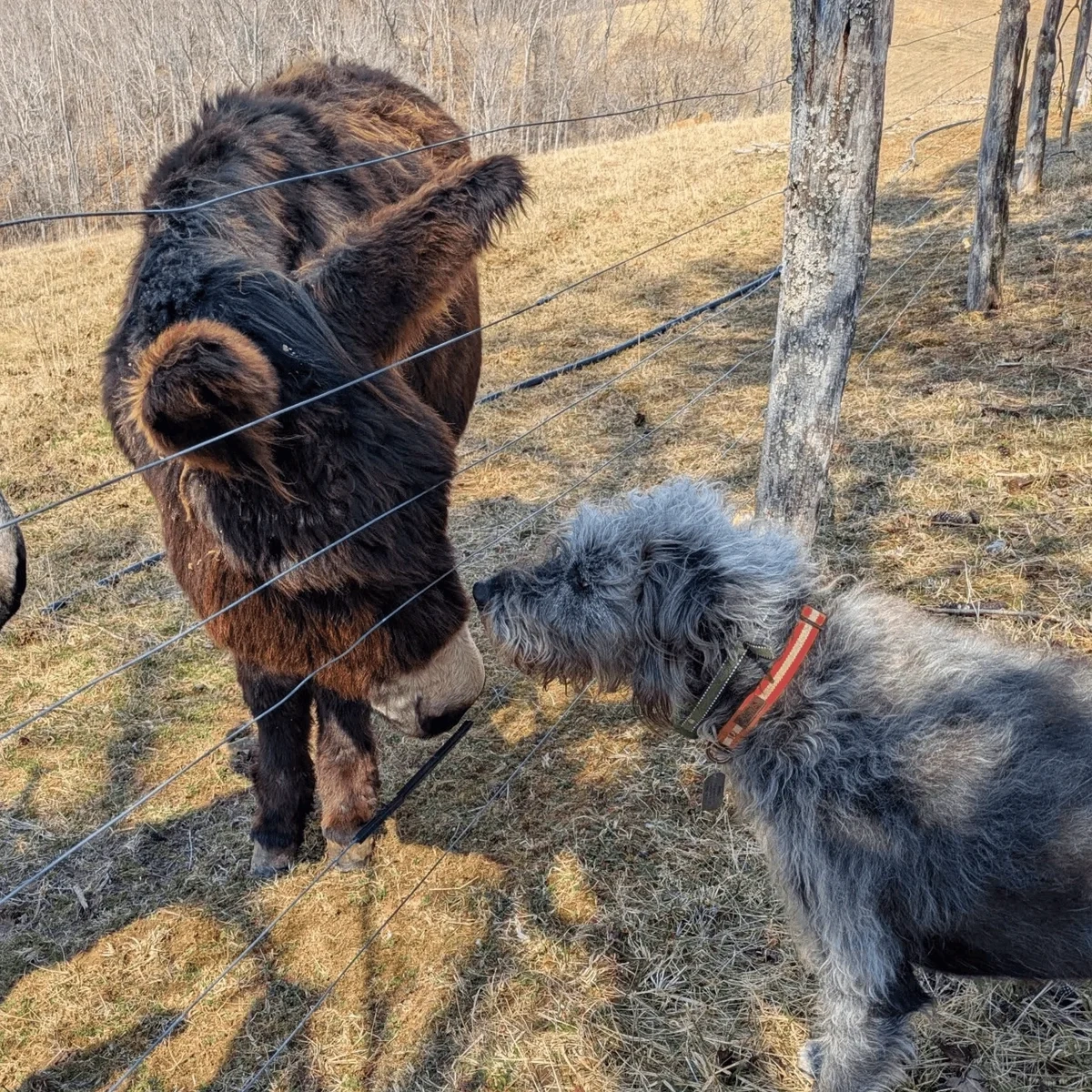
“I said, ‘I’m going to buy all my beef locally for one year—that should be easy enough, I’ll start there,’” said Lovejoy. "And I couldn’t do it. Here in the middle of these farms, surrounded by livestock.”
At first, this desire for locally-sourced food—and natural, whole ingredients that Lovejoy trusted to support her health journey—led the former grad student to a new life as a regenerative farmer. But she couldn’t stop thinking about her own experience trying to buy products from other farmers instead of a grocery store.
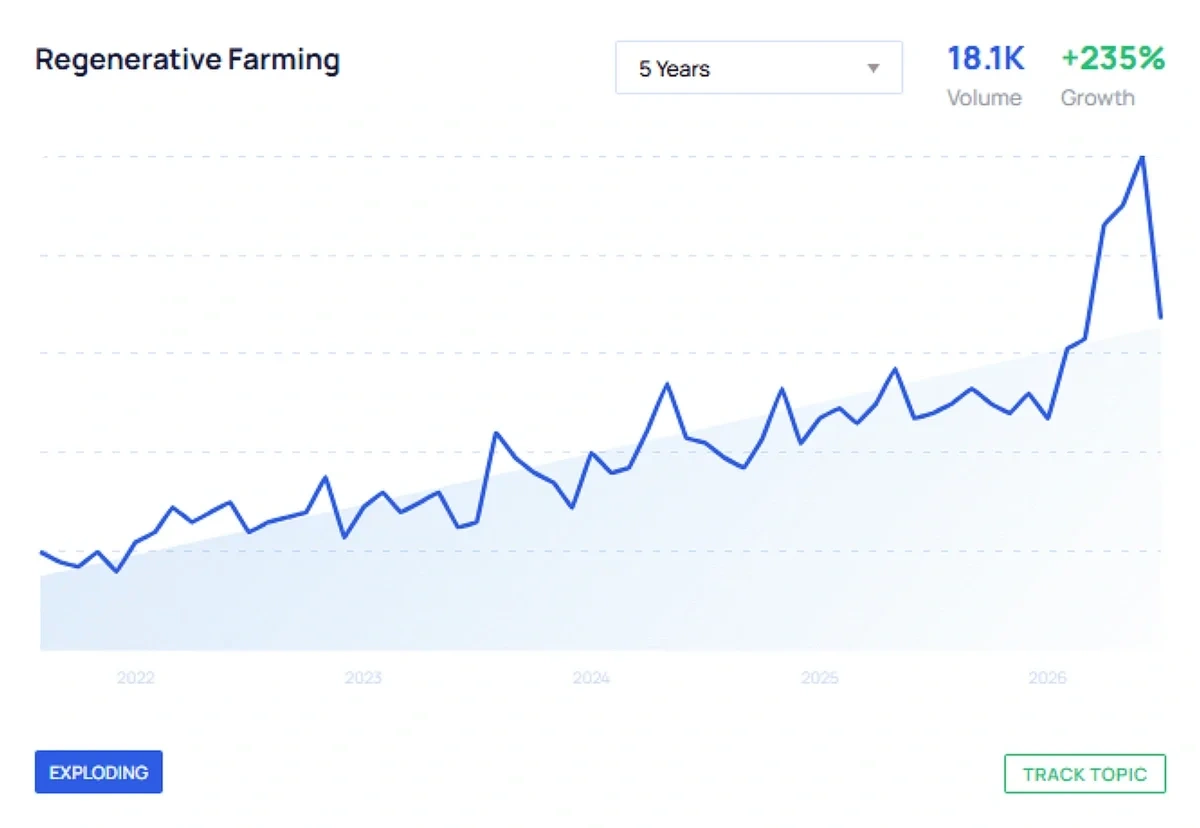
“If someone who is active, involved, and connected (in agriculture) can’t do it, it would definitely be difficult for other customers,” said Lovejoy. “If I want to find half a cow share within 10 minutes of me, it’s a lot of work right now. You spend a lot of time on Google, and what you want isn’t always readily available.”
Ultimately, Lovejoy had one question: would it be possible to take marketplace e-commerce models and transform them to suit both farmers and communities?
The answer, it turned out, was yes.
The Farmer Becomes a Founder
After meeting with several app developers, Lovejoy launched her new venture: Red Hen. It’s a marketplace-style app that lets farmers list whatever they want to sell, be it eggs, honey, meat, produce, or something else.
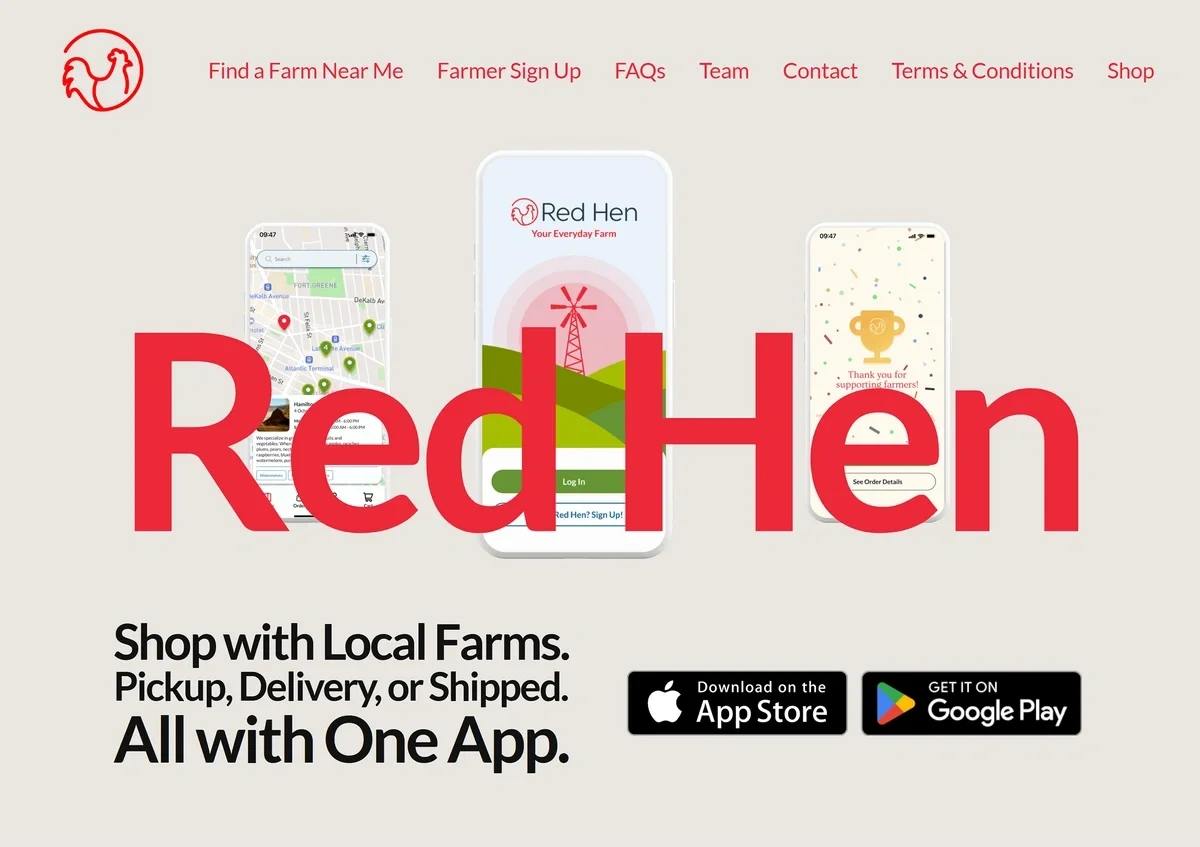
And while many farmers using Red Hen sell to people in local communities, sellers can offer shipping on products if they so choose.
“With the day and age that we live in now, it’s expected that you can find whatever you want in about five minutes,” said Lovejoy. “I wanted to bring that convenience to people interested in supporting farmers directly. Customers can come on the app and find what they want in seconds.”
But how does a farmer become the founder of an app-based brand?
“I interviewed a lot of development companies,” said Lovejoy. “They’ve been great because they have all of the expertise regarding development and I can just focus on what I want the app to become. This is how I can serve people best.”
Any farmer can sell on Red Hen, whether they’re just starting out or running an established operation.
“I want anyone who has the energy and stamina to farm to have access to people who value what they do,” said Lovejoy.
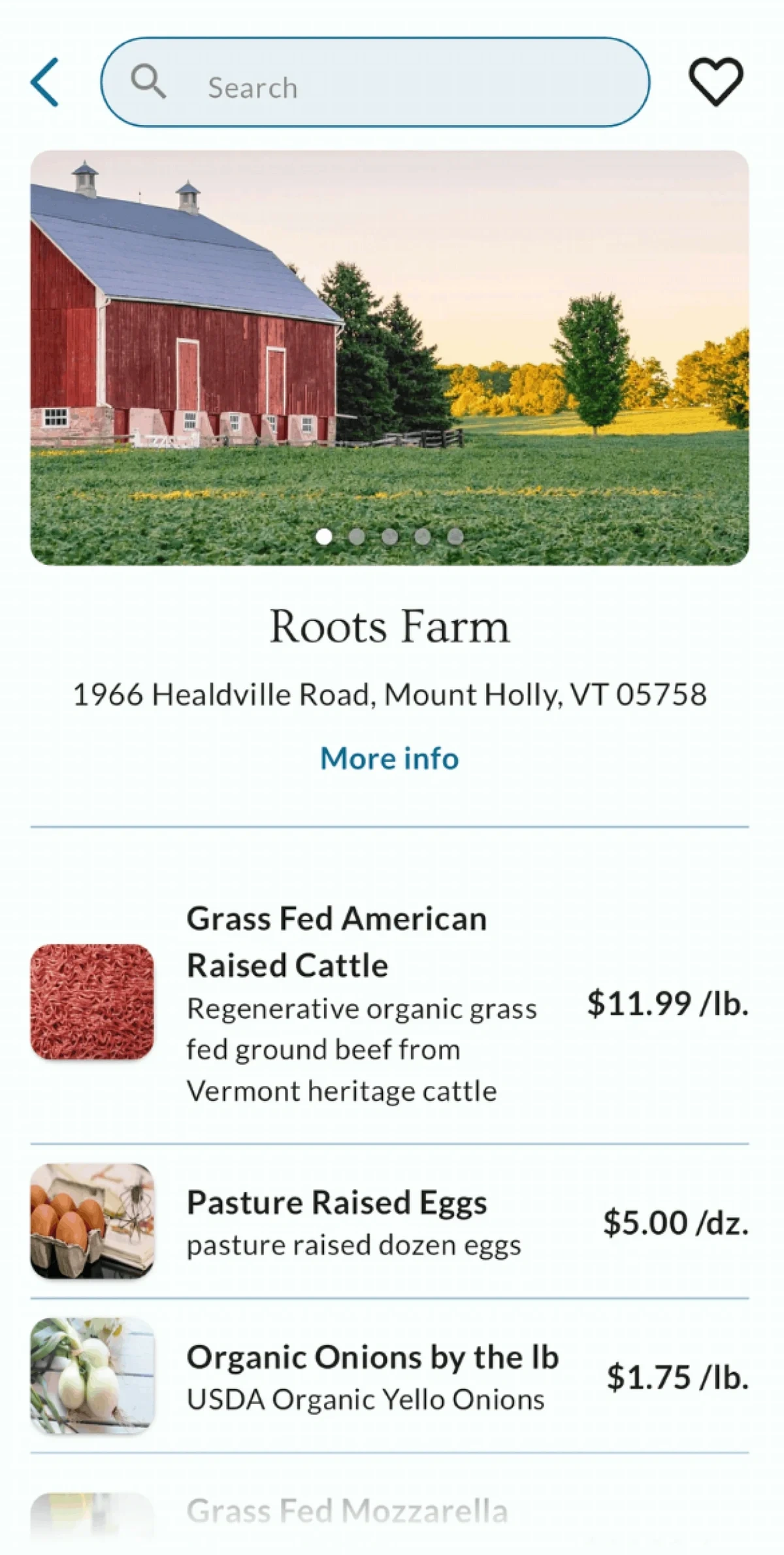
So far, Lovejoy has found just those people all across the U.S.—even in Hawaii.
“We currently have farmers in about 40 to 45 states selling on our app, and have great spread across the U.S.,” said Lovejoy. “One extremely small farm in Kansas hit their first 50 sales a couple of months ago...that was a special moment for me. It shows that (the app) is working for somebody who just wants to sell locally and help feed others around them.”
An Emphasis on Education, Not Just Sales
That growth hasn’t come through sheer luck, though. Lovejoy has worked hard to promote Red Hen to both sellers and customers. Social media has been a big part of Red Hen’s success, too.
“The first Instagram I built was just me showcasing other farmers when I thought what they were doing was really interesting. It was just a repost account,” said Lovejoy. “That account grew to over 150,000 followers in three years because other people were excited. And it wasn’t just farmers, it was consumers who cared how their food was raised and how it came to be.”
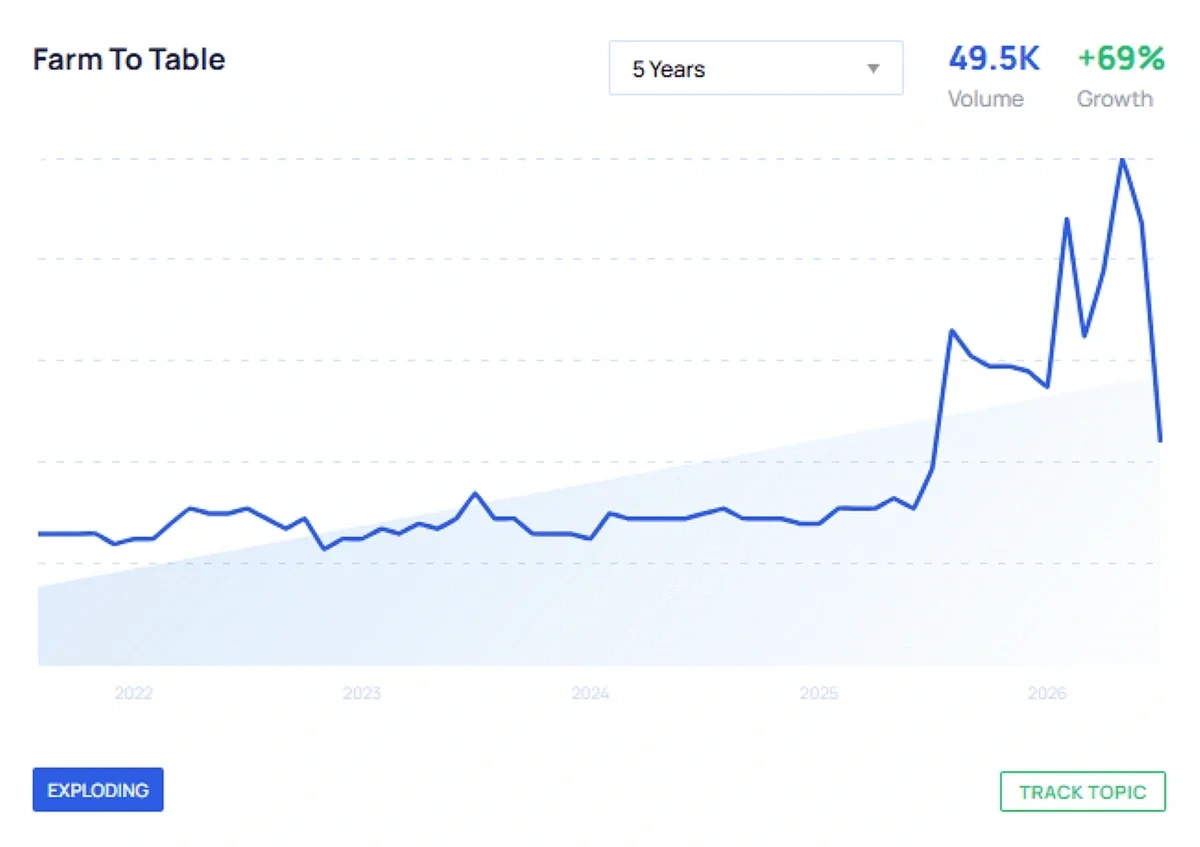
And once Lovejoy had the idea to create Red Hen, she realized her existing audience would likely be interested in the product.
“A lot of people will build up an audience to sell them something, but I actually accidentally built an audience and then said, ‘okay, what do they need? How do I serve them?’ And that was really interesting,” said Lovejoy.
While Lovejoy’s marketing has pivoted from a repost account to focus on Red Hen, she makes sure to keep the focus on farming and food as a whole—not just her one product.
“We like to do lots of trends and talk about things happening in agriculture…people don’t want to be bombarded by what your company is. They want to know why and how they should support it,” said Lovejoy. “Trends are educational, but what more do they mean? What are trends showing, growing, and telling us?”
And keeping on top of trends is easy for Lovejoy thanks to the Exploding Topics newsletter, which she’s subscribed to for several years.
“It’s almost like a business school study every week,” said Lovejoy. “What’s been so helpful to me is to constantly get a snippet of what’s trending in the world with people. Where are we headed? What are people interested in? It helps keep ideas fresh in your mind.”
The Human Component
This focus on what people are interested in drives all of Lovejoy’s business decisions—and is the number one thing she recommends all entrepreneurs focus on.
“I wish I had always wanted to be an entrepreneur, even before I started college, but I didn’t know what that meant…and I didn’t have the opportunity to learn. It was when I was forced to do it that I had to,” said Lovejoy. “Entrepreneurship is a very viable path, and it’s not one that’s very heavily promoted. So my encouragement is to do it earlier.”
She knows, though, that farming and app development aren’t the startup path of choice for everyone. But experimentation is key to figuring this out.
“You don’t have to start a whole thriving enterprise—try a print on demand Etsy shop. Do a YouTube channel. Do things where you start learning about how running your own business actually works, because there are going to be like five years of ‘well, I tried this and I hate it. I tried that, and I didn’t hate it as much.”
Lovejoy also recommends that business owners always put the human customer first, no matter what their product or service is.
“A lot of people start businesses because businesses make money. But I’ve found that businesses serve people, and I go back to the human component,” said Lovejoy. “Even if you have a service business and you’re doing something like pressure washing, you have to understand what the triggers that bring someone to action are…there are a lot of businesses that sound good, but is anyone actually willing to spend money on it?”
What Comes Next?
Currently, Lovejoy is continuing to explore those themes around human connection and motivation—both separate from and in connection to agriculture.
“We’re more disconnected than ever…but we’re also using technology to reconnect in a whole different way,” said Lovejoy. “I’m always fascinated by how we’re creating new problems with technology, but we’re also solving them in a different way…because the human condition doesn’t change, it just goes through different feelings and emotions.”
When Lovejoy reflects back on her own journey, she can see clearly how connections were an important part of the process; both on social media and off.
“What I wish I had done earlier is just to connect with other humans more. I am such a ‘put my head in the sand and work’ person that I didn’t spend a lot of time making connections and meeting other people in the industry,” said Lovejoy. “But now, I’ve met a lot of other app developers, and a lot of other people in the agriculture tech space—that’s been amazing.”
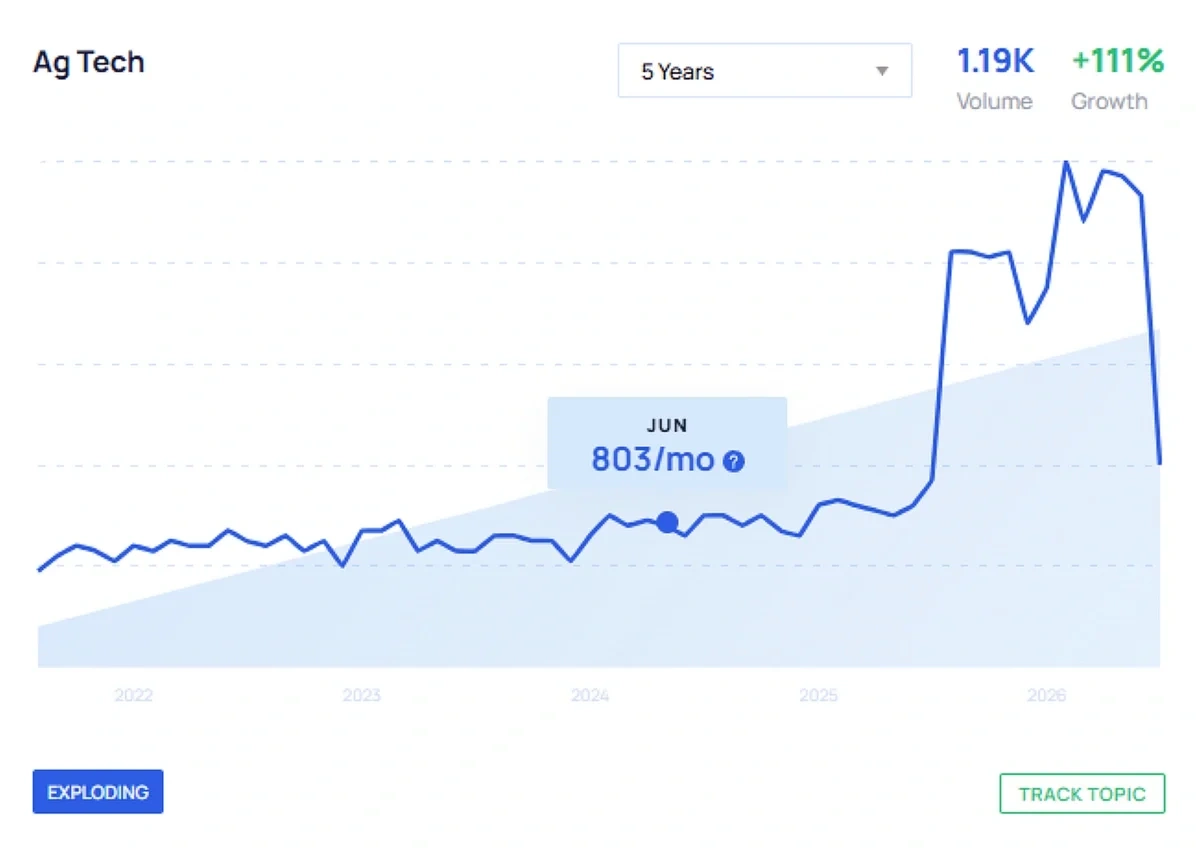
And every Tuesday, when the Exploding Topics newsletter arrives in her inbox, Lovejoy knows it’s time to continue her exploration—and think about what’s next at the intersection of farming and technology.
Farmers, game designers, supplement makers, and other business leaders all say the same thing: their trend exploration starts with the Exploding Topics newsletter. Sign up for free access to the insights trusted by successful entrepreneurs around the world.
Stop Guessing, Start Growing 🚀
Use real-time topic data to create content that resonates and brings results.
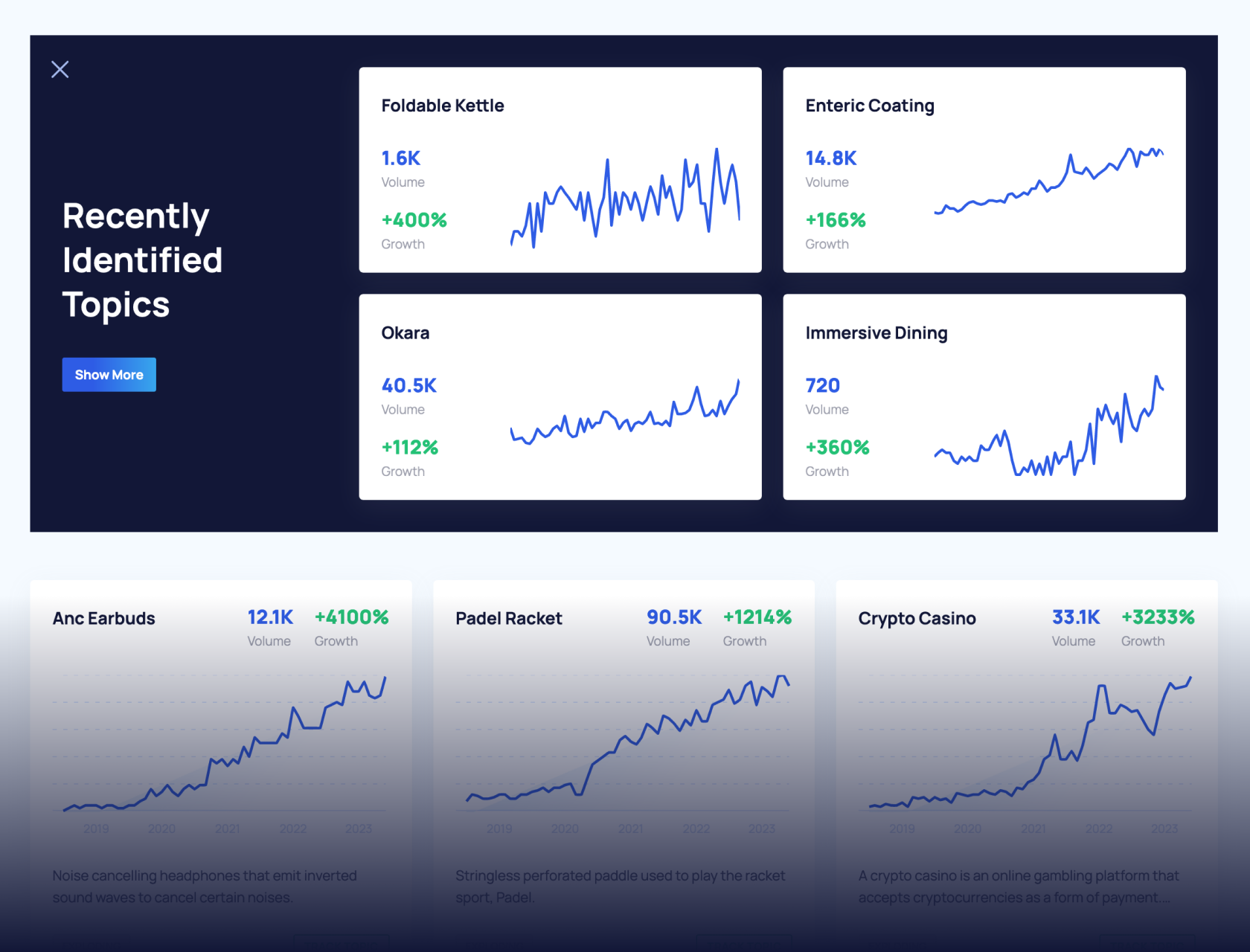
Exploding Topics is owned by Semrush. Our mission is to provide accurate data and expert insights on emerging trends. Unless otherwise noted, this page’s content was written by either an employee or a paid contractor of Semrush Inc.
Share
Newsletter Signup
By clicking “Subscribe” you agree to Semrush Privacy Policy and consent to Semrush using your contact data for newsletter purposes
Written By


Emily is a freelance content writer at Exploding Topics. A former news correspondent, she has over 15 years' experience creati... Read more